Navigation is the process of guiding the carrier from the starting position to the destination according to the predetermined route. Navigation technology is developed along with the needs of human economic, military, and political development, and with the improvement of its needs, new requirements are constantly put forward for navigation and positioning technology. In the process of navigation, positioning is first required, that is, to determine the coordinate position (Position) information of the carrier. In order for the carrier to complete the scheduled navigation task, in addition to the position of the guidance target point and the starting point, it is also necessary to know the real-time position of the aircraft at any time. , speed, heading, attitude and other parameters, these parameters are called navigation parameters, the most important of which is to know the real-time position information of the carrier, because only knowing the real-time position information can we consider how to reach the next destination.
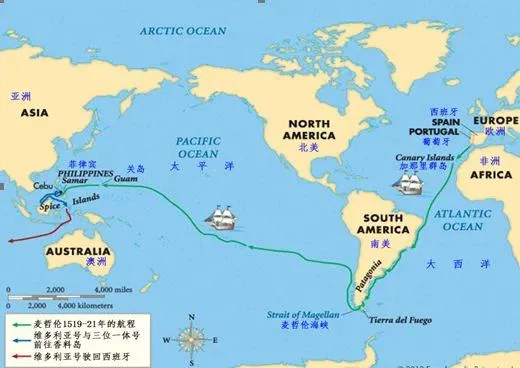
The main job of navigation is to determine the geographic location of the aircraft at any time in the air, because only by clarifying the current position parameters of the carrier, can the carrier's flight direction and attitude control be completed by means of the artificial operating system or automatic control system on the carrier, and the correct guidance The carrier babbles about the destination.
A complete set of equipment for measuring navigation parameters is called a navigation system. In the initial navigation, people used astronomical geography knowledge and simple navigation tools to determine the course and carrier information. With the development of productivity, people’s means and technologies for measuring carrier position information became more and more perfect, and people began to use more sophisticated navigation tools. Gauges or devices to measure and display navigation parameters. Navigation can be divided into aviation navigation, marine navigation, and land navigation according to its different application scopes.
Taking aviation navigation as an example, the aircraft navigation system is a complete set of equipment (including on-board equipment and ground equipment) that accurately determines the position and course of the aircraft and guides it to sail on a predetermined route. The aircraft navigation system obtains information such as the position, speed, and course of the aircraft , the pilot or the autopilot system controls the aircraft to fly to the destination according to the indication of the navigation instrument or the output signal.

Navigation systems usually have two working states, indicating state and automatic navigation state. The pilot controls the aircraft to reach the destination along the predetermined route according to the information provided by the pilot, which is called the indication state of the navigation system; the other provides navigation information through the flight automatic control system to automatically control the aircraft to fly along the predetermined route. At this time, the pilot only monitors and does not participate in the direct control of the aircraft. This state is called the automatic navigation state of the navigation system.
Many navigation systems in use now include navigation equipment on the carrier, and one or more sets of equipment called navigation stations are installed to cooperate with it to generate navigation information. The navigation station and the navigation equipment on the moving carrier are connected by radio waves to form an effective navigation system. If the navigation station is set on the ground, it is called a land-based navigation system; if it is set on a satellite, it is called a satellite navigation system, and the ground-based navigation system and satellite navigation system are called a radio navigation system.


